
Understanding Neurological Diseases: A Comprehensive Guide
Neurological diseases affect millions of people worldwide, impacting their quality of life and often leading to significant challenges for patients and their families. These disorders can range from mild to severe and can affect various aspects of daily living. In this comprehensive guide, we will explore the different types of neurological diseases, their symptoms, causes, and treatment options, as well as the importance of early diagnosis and intervention.
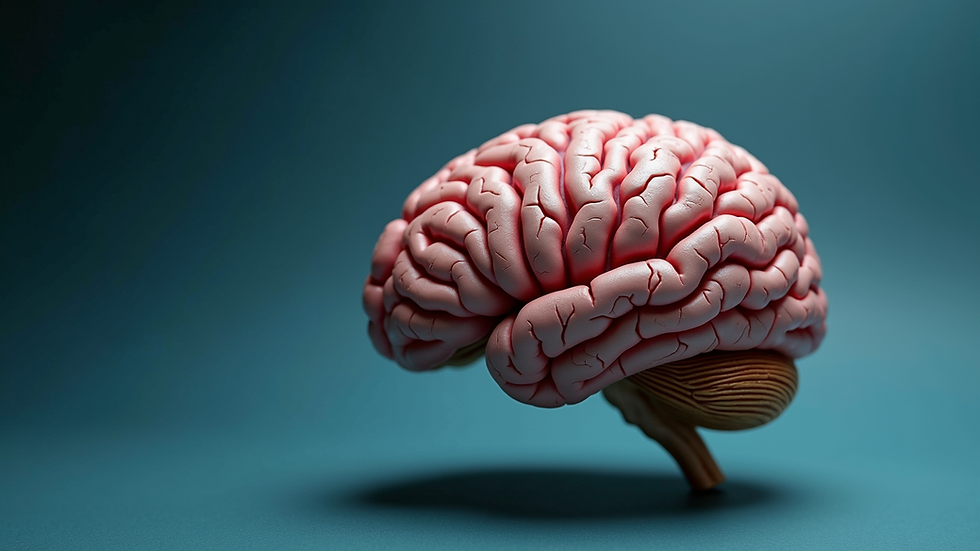
What Are Neurological Diseases?
Neurological diseases are disorders that affect the brain, spinal cord, and nerves throughout the body. They can disrupt normal functioning and lead to a variety of symptoms, including:
Cognitive impairments: Memory loss, difficulty concentrating, and confusion.
Motor dysfunction: Weakness, tremors, and coordination problems.
Sensory issues: Numbness, tingling, and changes in vision or hearing.
Emotional disturbances: Depression, anxiety, and mood swings.
These diseases can be caused by genetic factors, environmental influences, infections, or injuries. Understanding the underlying causes is crucial for effective treatment and management.
Common Types of Neurological Diseases
1. Alzheimer's Disease
Alzheimer's disease is a progressive neurodegenerative disorder that primarily affects memory and cognitive function. It is the most common form of dementia, accounting for 60-80% of dementia cases. Symptoms typically begin with mild memory loss and can progress to severe cognitive impairment.
Key Facts:
Prevalence: Over 6 million Americans are living with Alzheimer's.
Risk Factors: Age, family history, and genetic mutations.
Treatment: While there is no cure, medications like donepezil can help manage symptoms.
2. Parkinson's Disease
Parkinson's disease is a progressive movement disorder characterized by tremors, stiffness, and bradykinesia (slowness of movement). It occurs when nerve cells in the brain that produce dopamine become damaged or die.
Key Facts:
Prevalence: Approximately 1 million people in the U.S. are diagnosed with Parkinson's.
Risk Factors: Age, gender (more common in men), and family history.
Treatment: Medications such as levodopa can help manage symptoms, and physical therapy is often recommended.
3. Multiple Sclerosis (MS)
Multiple sclerosis is an autoimmune disease that affects the central nervous system. It occurs when the immune system attacks the protective covering of nerve fibers, leading to communication problems between the brain and the rest of the body.
Key Facts:
Prevalence: Around 1 million people in the U.S. are living with MS.
Symptoms: Fatigue, difficulty walking, and vision problems.
Treatment: Disease-modifying therapies can help slow progression and manage symptoms.
4. Epilepsy
Epilepsy is a neurological disorder characterized by recurrent seizures due to abnormal electrical activity in the brain. Seizures can vary in type and severity, affecting individuals differently.
Key Facts:
Prevalence: Approximately 3.4 million people in the U.S. have epilepsy.
Causes: Can include genetic factors, head injuries, and infections.
Treatment: Antiepileptic medications are commonly used to control seizures.
5. Stroke
A stroke occurs when blood flow to the brain is interrupted, leading to brain cell death. There are two main types of strokes: ischemic (caused by a blockage) and hemorrhagic (caused by bleeding).
Key Facts:
Prevalence: Stroke is a leading cause of death and disability worldwide.
Symptoms: Sudden numbness, confusion, trouble speaking, and severe headache.
Treatment: Immediate medical attention is crucial. Treatments may include clot-busting drugs or surgery.
Symptoms and Diagnosis
Recognizing the symptoms of neurological diseases is essential for early diagnosis and treatment. Common symptoms include:
Cognitive changes: Memory loss, confusion, and difficulty concentrating.
Physical symptoms: Weakness, tremors, and coordination issues.
Sensory changes: Numbness, tingling, and vision problems.
Emotional symptoms: Depression, anxiety, and mood swings.
Diagnostic Procedures
Diagnosing neurological diseases often involves a combination of medical history, physical examinations, and diagnostic tests, such as:
MRI and CT scans: Imaging techniques that provide detailed views of the brain and spinal cord.
Electroencephalogram (EEG): Measures electrical activity in the brain, often used for epilepsy diagnosis.
Lumbar puncture: A procedure to collect cerebrospinal fluid for analysis.
Treatment Options
Treatment for neurological diseases varies depending on the specific condition, its severity, and the individual patient's needs. Common treatment approaches include:
Medications
Medications can help manage symptoms and slow disease progression. For example:
Alzheimer's: Donepezil and memantine.
Parkinson's: Levodopa and dopamine agonists.
Multiple Sclerosis: Interferons and glatiramer acetate.
Physical and Occupational Therapy
Therapies can help improve mobility, strength, and daily functioning. They may include:
Physical therapy: Focuses on improving movement and strength.
Occupational therapy: Helps individuals adapt to daily activities and improve quality of life.
Lifestyle Changes
Adopting a healthy lifestyle can support overall brain health. Recommendations include:
Regular exercise: Promotes physical and mental well-being.
Balanced diet: Nutrient-rich foods can support brain function.
Social engagement: Staying connected with others can improve emotional health.
The Importance of Early Diagnosis
Early diagnosis of neurological diseases is crucial for effective treatment and management. Recognizing symptoms and seeking medical attention promptly can lead to better outcomes. Early intervention can help:
Slow disease progression: Timely treatment can delay the onset of severe symptoms.
Improve quality of life: Managing symptoms early can enhance daily functioning.
Provide support: Early diagnosis allows for better planning and access to resources.
Support and Resources
Living with a neurological disease can be challenging, but support is available. Resources include:
Support groups: Connecting with others facing similar challenges can provide emotional support and practical advice.
Educational resources: Organizations like the Alzheimer's Association and the National Multiple Sclerosis Society offer valuable information and support.
Healthcare professionals: Neurologists, therapists, and social workers can provide guidance and assistance.
Conclusion
Neurological diseases are complex and can significantly impact individuals and their families. Understanding the various types, symptoms, and treatment options is essential for effective management. Early diagnosis and intervention can lead to improved outcomes and a better quality of life. If you or a loved one is experiencing symptoms of a neurological disease, seek medical advice promptly. By staying informed and proactive, you can navigate the challenges of these conditions more effectively.
As we continue to learn more about neurological diseases, it is vital to support research and advocacy efforts aimed at improving treatment and care for those affected. Together, we can work towards a future where neurological diseases are better understood and managed.
Comments